Manufacturing reshoring electrical infrastructure planning has become a real deadline problem for plant owners, not just a talking point. Companies have announced more than $1.2 trillion in new U.S. production capacity since January 2025 alone, and reshoring-linked hiring is running in the hundreds of thousands of jobs a year.
But the picture underneath those headline numbers is more mixed than a straight boom, and that nuance matters for anyone planning a facility. Whether you’re building new or expanding an existing plant, the electrical infrastructure behind that investment, not the walls and roof, is often what actually determines when production can start.
U.S. reshoring investment is real and substantial, but 2025 also saw a documented slowdown in manufacturing construction spending and a soft manufacturing PMI, so the trend is more uneven than it first appears.
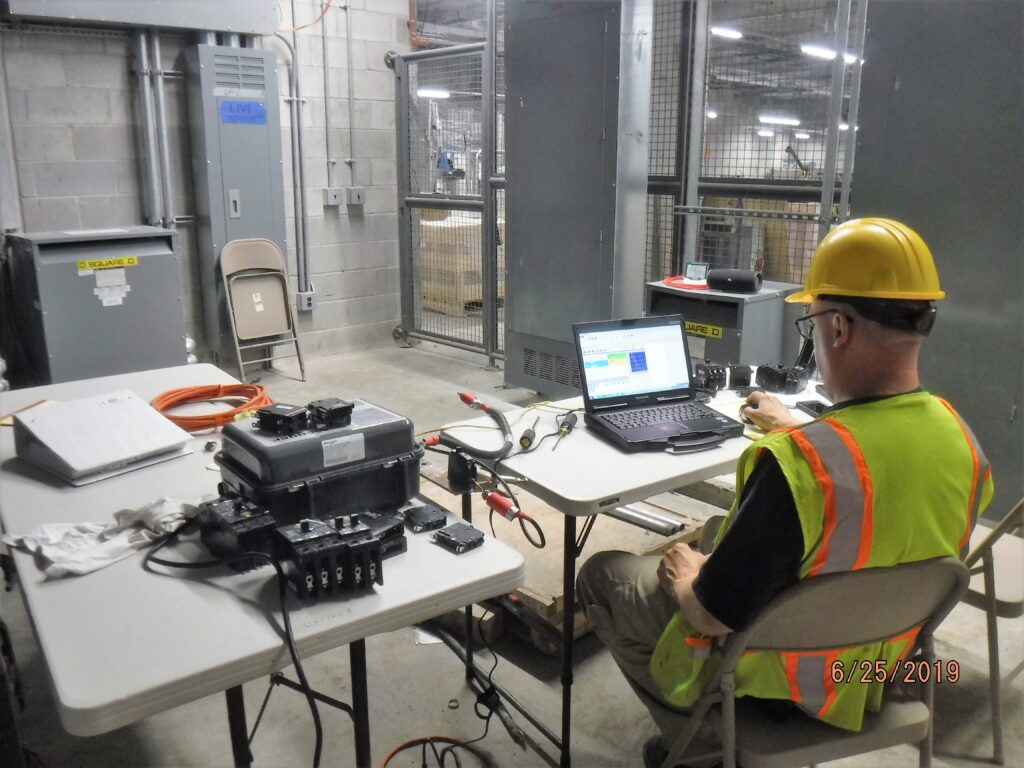
Electrical commissioning, arc flash studies, and switchgear testing are frequently the last items completed before startup, and the ones most likely to slip a production date.
NFPA 70E doesn’t specify one arc flash calculation method, but it does require the study to be updated whenever equipment changes affect available fault current.
Building electrical readiness into the project schedule from the design phase, rather than treating it as a pre-startup punch list item, is the single biggest lever owners have over delay risk.
The Reshoring Numbers, and the Nuance Behind Them
The scale of U.S. manufacturing reshoring is genuinely large. Between January and September 2025, companies announced over $1.2 trillion in investments toward building domestic production capacity across electronics, pharmaceuticals, and semiconductors, according to Global X ETFs. Private construction spending on manufacturing facilities has roughly tripled in four years, climbing from $76.2 billion in January 2021 to nearly $230 billion by January 2025. On the workforce side, the Reshoring Initiative’s 2024 Annual Report counted 244,000 U.S. manufacturing jobs announced that year through reshoring and foreign direct investment, part of more than 2 million jobs announced cumulatively since 2010 (1.7 million of which have actually been filled).
That said, the trend isn’t a uniform boom. Deloitte’s 2026 Manufacturing Industry Outlook notes that manufacturing construction spending steadily declined through 2025, and the manufacturing PMI stayed below 50 (signaling contraction) for much of the year, even as targeted sectors like semiconductors pulled in over $500 billion in private commitments toward tripling domestic chip capacity by 2032. In other words, reshoring is concentrated and real, but it isn’t lifting every corner of the manufacturing economy evenly. For a plant owner, that means the projects that do move forward tend to be well-capitalized and schedule-driven, which raises the stakes on hitting a production date on time.
Why the Building Finishing Isn’t the Same as the Plant Being Ready
A completed building shell tells you almost nothing about whether a plant can actually run. Production equipment needs power that’s been proven to arrive safely, at the right voltage, through protection systems that will actually trip when something goes wrong. That gap between “construction complete” and “production ready” is where electrical readiness lives, and it’s routinely underestimated in project schedules built around civil and mechanical milestones.
This is where the Grid Solutions industrial manufacturing team most often gets called in under time pressure: a general contractor hands off a finished building, and only then does someone realize the switchgear hasn’t been tested, the arc flash study hasn’t been done, and the protective relays haven’t been coordinated. None of that work can be safely compressed into the final weeks before a production start date.
The Electrical Milestones a New Plant Actually Needs
Before any plant can safely energize production equipment, several distinct pieces of electrical work have to happen, each with its own lead time. Skipping or rushing any of them doesn’t just risk a delay; it risks an unsafe startup.
| Milestone | Typical Timing Before Startup | Owning Service |
|---|---|---|
| Electrical engineering design review | 6–12 months out | Engineering |
| Arc flash study | 3–6 months out | Engineering |
| Switchgear factory and site acceptance testing | 2–4 months out | Testing & Commissioning |
| Protective relay and coordination testing | 1–3 months out | Testing & Commissioning |
| Full electrical system commissioning | 4–8 weeks out | Testing & Commissioning / Project Management |
| Final arc flash labeling and NFPA 70E documentation | 2–4 weeks out | Engineering |
Timing ranges are typical for a mid-size industrial facility and vary with plant size, utility interconnection requirements, and equipment lead times.
What an Arc Flash Study Actually Covers
An arc flash study calculates the potential energy released if an electrical fault occurs at a given point in the system, which determines the required personal protective equipment (PPE) and warning labels for anyone working on or near that equipment. According to Hallam-ICS’s explainer on NFPA 70E requirements, the standard doesn’t mandate one specific calculation method for the study; engineers can use different accepted approaches depending on the system.
“The analysis must be updated any time modifications to the electrical system affect available fault current, and the study should be reviewed on a cycle of no more than five years.”
For a brand-new plant, that means the arc flash study can’t be an afterthought bolted on after equipment is installed. It has to reflect the actual as-built system, including any changes made during construction, which is exactly why it belongs on the schedule months before startup, not the week before.
Switchgear Testing: The Step That Catches Problems Before Production Does
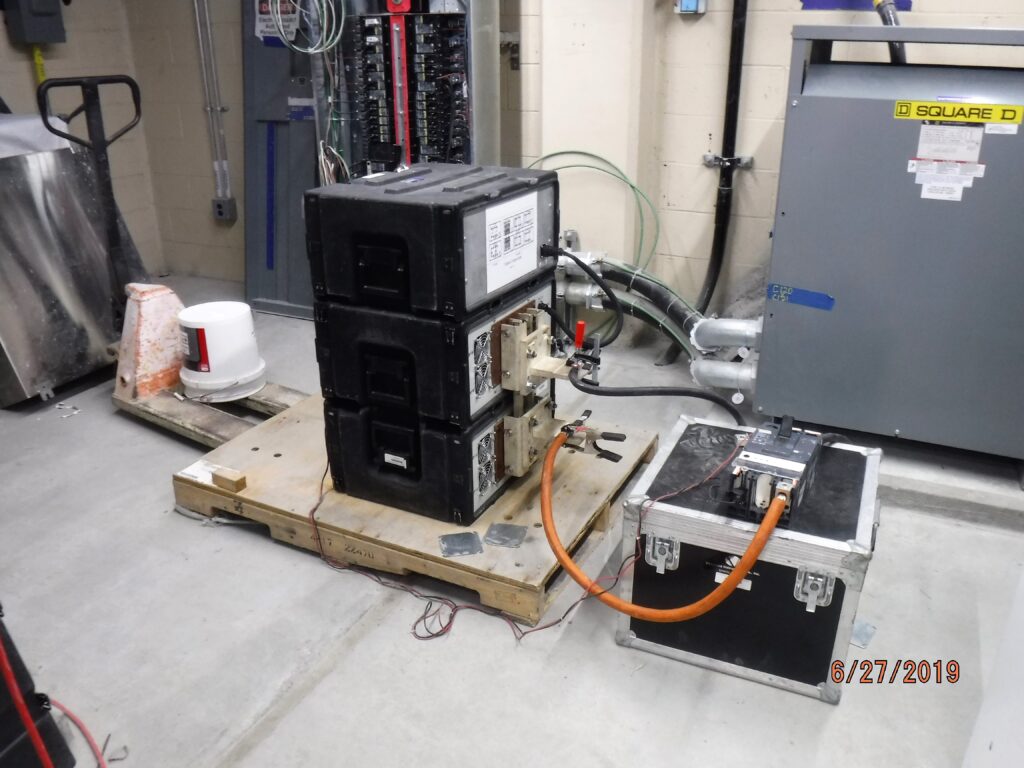
Switchgear and protective devices can look correct on paper and still fail to perform correctly in the field, whether because of a shipping issue, an installation error, or a settings mismatch with the rest of the system. Switchgear testing verifies that breakers, relays, and protection schemes actually do what the design intended, under real fault conditions, before production equipment is ever energized behind them.
Skipping this step to save time is one of the more common ways plants end up with an unsafe or unreliable startup, because the first real test of the system ends up being an actual fault event on the production floor rather than a controlled test beforehand.
Building Readiness Into the Schedule, Not Bolting It On
The plants that hit their production start dates aren’t the ones that get lucky; they’re the ones that treat electrical testing and commissioning as a project workstream from day one, coordinated alongside construction rather than queued up after it. That typically means looping in electrical engineering during design, not after equipment is already ordered, and having a dedicated commissioning plan tracked against the same schedule as the rest of the build.
Common Causes of Electrical Startup Delays
Most electrical delays trace back to a handful of avoidable patterns:
- Arc flash studies started only after equipment installation is complete, instead of during design
- Switchgear testing scheduled as an afterthought rather than a scheduled milestone
- Protective relay coordination settings never verified against the as-built system
- Commissioning treated as a single event at the end, instead of staged testing throughout construction
- No single team accountable for tracking electrical milestones against the overall project schedule
Each of these is preventable with earlier planning, and none of them require slowing the project down, just sequencing the electrical scope correctly from the start. If you’re planning a new plant or a capacity expansion, our engineering team can help you build a realistic electrical readiness timeline before ground is even broken, so testing and commissioning are never the reason your startup date slips.
FAQ
What’s driving the U.S. manufacturing reshoring trend?
A combination of federal incentives, supply chain diversification, and targeted sector investment, particularly semiconductors, is driving reshoring. Companies announced over $1.2 trillion in new U.S. production capacity investments between January and September 2025 alone, though the broader manufacturing construction sector saw a spending slowdown over the same year.
What electrical testing is required before a new plant starts production?
At minimum, a new plant needs an arc flash study, switchgear factory and site acceptance testing, protective relay coordination testing, and full electrical system commissioning before production equipment can be safely energized.
How long does plant electrical commissioning typically take?
Full electrical system commissioning generally runs 4 to 8 weeks immediately before startup, but it depends on earlier work like switchgear testing and relay coordination being completed on schedule in the months prior.
What is an arc flash study and why does a new plant need one?
An arc flash study calculates the potential energy from an electrical fault at a given point in the system, determining required PPE and warning labels. NFPA 70E requires it be updated whenever system changes affect available fault current, and it’s essential for a new plant because the study must reflect the actual as-built electrical system, not the original design.
How can manufacturers avoid electrical delays during plant startup?
The most effective approach is looping electrical engineering into the project during design, not after equipment is ordered, and tracking testing and commissioning milestones on the same schedule as construction rather than treating them as a final punch-list item.
Sources cited in this article:
1. Global X ETFs, “Manufacturing Revival Creates Tailwinds for U.S. Infrastructure Spending”
2. Reshoring Initiative, 2024 Annual Report
3. Hallam-ICS, “What Is an Arc Flash Study? NFPA 70E Requirements Explained”